Apr 2025
I believe there is purpose in every form and every stage of existence.
This belief asks me to remain attentive to what I cannot immediately understand.
It is easy to recognise purpose when something offers a clear benefit. A tree gives shade. A vessel holds water. A path takes us somewhere. We can name what these things do and place their significance within our own needs.
But what happens when usefulness is less apparent?
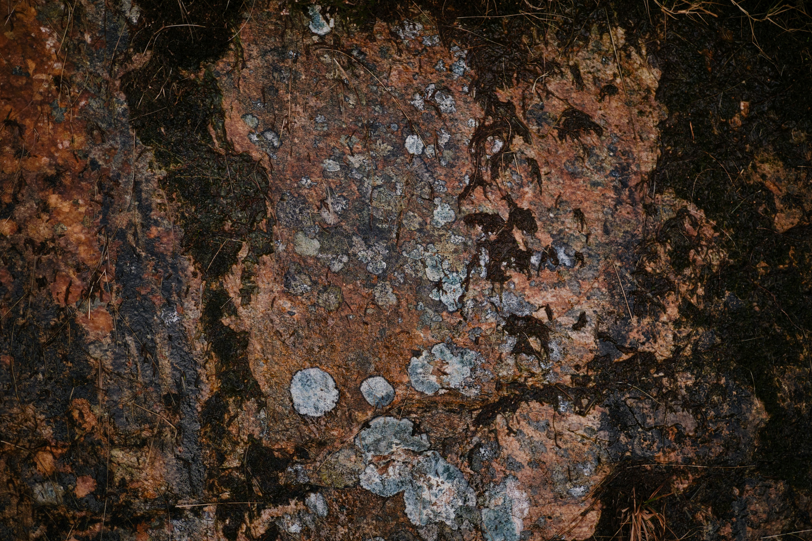
A fragment. A faded surface. A moment that seems to lead nowhere. A form whose place in the world I cannot explain.
I am interested in the limits of my judgement. How much of what I call insignificant is simply something whose relationships I have not followed?
My practice allows me to stay with this question. A small mark may become important much later in the making of a painting.
An unresolved passage may influence the direction of the work. Something that initially seems incidental can reveal a relationship I could not have planned.
Its significance becomes apparent through time.
I want to remain careful with this belief. I cannot explain every loss or injustice as part of a purpose I claim to understand. The conviction that existence holds meaning calls me towards care; it does not release me from responding to suffering.
For me, purpose is closely connected with belonging.
Something may matter beyond what it provides to me. Its existence may contribute to relationships outside my knowledge. A life has value before I can describe its role.
This is an understanding I hope my work makes space for.
A viewer can encounter a form without knowing exactly what it represents. They can remain with its presence, notice its relationships and allow significance to emerge gradually.
I keep returning to the possibility that understanding follows attention.
Before deciding that something has no purpose, I want to ask whether I have looked long enough to recognise its place.